
How to Stall Proof Your Brisket – Don’t Ruin a Great Day

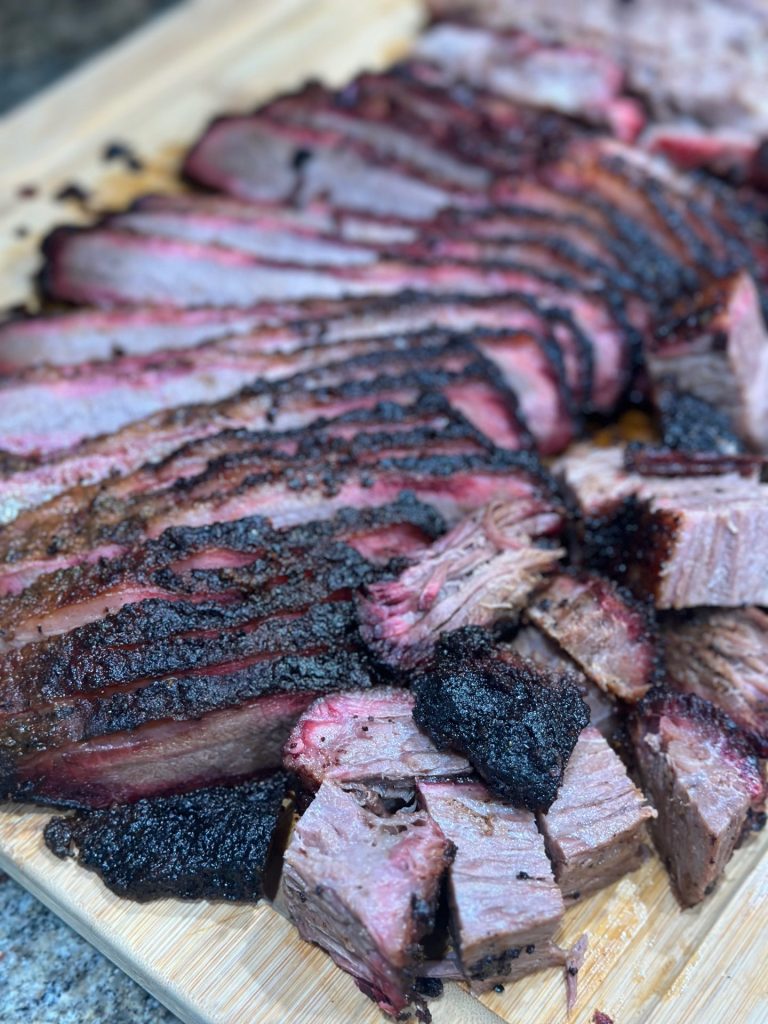
Is your brisket stuck at 150°F to 170°F? Let’s take a look at why the BBQ stall happens and how to push through it fast using foil, butcher paper, or simple temperature adjustments.
Nothing tests a pitmaster’s patience quite like watching a brisket stall. You prep the meat, manage the fire for hours, and everything tracks smoothly until your probe thermometer gets stuck somewhere between 150°F and 170°F. Then it refuses to move for hours. Time to panic right? Wrong!
If you are staring at your thermometer mid cook wondering if your smoker died or your meat is ruined, take a deep breath. Your brisket is fine, and your smoker is working just as it should.
In this guide, I will cover why the stall happens, how to tell a normal stall apart from a fire problem, and three proven ways to push through it without drying out your meat.
Quick Diagnostic: Is My Brisket Stalled or Is My Smoker Cold?
Before making any adjustments, verify whether you are experiencing a true evaporative stall or an actual pit temperature drop.
| Indicator | Normal Brisket Stall | Fire or Smoker Issue |
| Internal Temp | Holds steady between 150°F and 170°F | Drops continuously below 140°F |
| Bark Status | Deepening mahogany or black, surface moisture visible | Pale, soft, or covered in white soot |
| Pit Temp | Smoker holds steady at target temperature | Smoker ambient temp is dropping |
If your smoker ambient temperature is dropping along with your meat, check out our diagnostic guide on why your smoker is not getting hot enough.
What Causes the Brisket Stall?
The stall is caused by evaporative cooling.
As heat enters the brisket, moisture inside the muscle tissue gets forced to the surface. As that surface moisture evaporates into the air inside your cooker, it cools the meat at the exact same rate the smoker tries to heat it up.
It works identically to human sweat on a hot day. Until that surface moisture dries up or gets trapped, the internal temperature of the brisket will not rise. Depending on the size of your brisket, local humidity, and smoker airflow, a stall can last anywhere from two to six hours.
Method 1: The Texas Crutch (Foil Wrap Method)
The Texas Crutch is the fastest and most foolproof method to bypass the stall completely.
How It Works
Wrapping the brisket tightly in heavy duty aluminum foil seals in humidity. Because moisture cannot evaporate into the open air, evaporative cooling stops instantly, forcing heat straight into the core of the brisket.
Step by Step Instructions
- Wait for Bark Setup: Do not wrap until the brisket hits at least 160°F to 165°F and the dark bark on the exterior stays put when lightly scraped. This sometimes doesn’t happen until it hits 180. Do the scratch test. If the rub stays adhered to the meat after lightly scratching at it with your finger, then you’re good to wrap. If it scratches off easily, and feels too wet, let it go unwrapped a bit longer.
- Prepare Heavy Duty Foil: Lay down two overlapping sheets of heavy duty aluminum foil on a wide table.
- Wrap Tightly: Place the brisket in the center (optionally add a few splashes of beef broth or melted tallow) and wrap it as tightly as possible to eliminate air pockets. I recommend using insulated BBQ gloves for this step so you don’t melt your hands into oblivion.
- Return to Smoker: Place the wrapped brisket back onto the smoker grates until the internal temperature reaches 200°F to 203°F.
Pros: Shaves hours off cook time and guarantees tender, juicy meat.
Cons: Trapped steam slightly softens the exterior bark.
Method 2: The Pink Butcher Paper Wrap (A Common Pitmaster Choice)
If you want to speed up the stall while preserving a crunchy, dark exterior bark, pink butcher paper is the ideal middle ground.
How It Works
Unlike foil, unwaxed food grade butcher paper is porous. It traps enough heat and moisture to accelerate the cook while allowing excess steam to escape so your bark stays crisp. Make sure you use the unwaxed paper! The wax will ruin your cook. It’ll be like eating a brisket candle. Not ideal.
Step by Step Instructions
- Verify Internal Temp: Wait until the brisket reaches 165°F and the bark has developed a rich dark color.
- Prepare the Paper: Cut a piece of butcher paper roughly four times the length of the brisket. Spritz the paper lightly with water or apple cider vinegar to make it pliable.
- Wrap Technique: Wrap the brisket like a gift, folding the sides neatly over the meat so it stays compact.
- Finish the Cook: Reinsert your probe and return the wrapped brisket to your smoker until tender.
Pros: Protects and maintains bark texture much better than foil.
Cons: Takes slightly longer to push through the stall than aluminum foil.
Method 3: The No Wrap Power Through (The Pitmaster Patience Method)
If you prefer traditional central Texas style BBQ with maximum smoke flavor and a heavy bark, you can skip wrapping altogether.
How It Works
Rather than trapping steam, you let surface evaporation run its natural course until the exterior dries out and internal temperatures start rising again.
How to Accelerate a No Wrap Stall
- Bump Smoker Temp: Once you hit the stall around 150°F to 160°F, increase your smoker temperature from 225°F up to 250°F or 275°F. The extra ambient heat forces surface moisture to evaporate faster without burning the meat.
- Stop Spritzing: Spritzing introduces cold surface liquid, which actively extends the stall. Halt all spritzing until the internal temperature passes 175°F.
Pros: Maximum smoke ring, deep bark development, and classic smoky flavor.
Cons: Uses more fuel and extends total cook time significantly.
4 Common Mistakes That Prolong the Stall
- Opening the Smoker Lid Constantly: Every time you open your smoker lid, heat escapes and ambient humidity drops, adding 10 to 15 minutes to your overall stall time.
- Wrapping Too Early: Wrapping before surface fat renders and bark sets leaves you with a mushy, pale brisket exterior.
- Over Spritzing: Spritzing every 20 minutes adds surface liquid, essentially restarting evaporative cooling over and over again.
- Panicking and Raising Temps Too High: Bumping your smoker above 300°F to force a stall can render internal fat too fast and dry out the brisket flat.
Frequently Asked Questions
How long does a brisket stall usually last?
A brisket stall typically lasts between two and six hours, depending on the thickness of the brisket, ambient humidity, and whether your smoker uses active air movement like a pellet grill or offset smoker.
Does pushing through the stall dry out brisket?
No. The stall itself is simply moisture leaving the surface. Wrapping the meat with foil or paper locks in fat rendering, ensuring your brisket remains juicy throughout the process.
Can you wrap a brisket too late?
Yes. If you wait until internal temperatures pass 180°F, the majority of the stall has already passed organically. Wrapping at that point offers little time saving benefit, though it can still help keep the flat moist during the final rest.
Summary & Next Steps
When your brisket hits the stall, remember that technique and patience work hand in hand:
- For speed and juiciness: Wrap with heavy duty foil using the Texas Crutch.
- For bark preservation: Wrap with pink butcher paper.
- For maximum smoke: Bump heat to 250°F and ride it out unwrapped.
Once your brisket pushes past 175°F, internal temperatures climb rapidly toward the 203°F target mark. Allow at least one to two hours of rest time in a cooler before slicing!
1 thought on “How to Stall Proof Your Brisket – Don’t Ruin a Great Day”