
How to Fix Dirty Smoke on Your Smoker

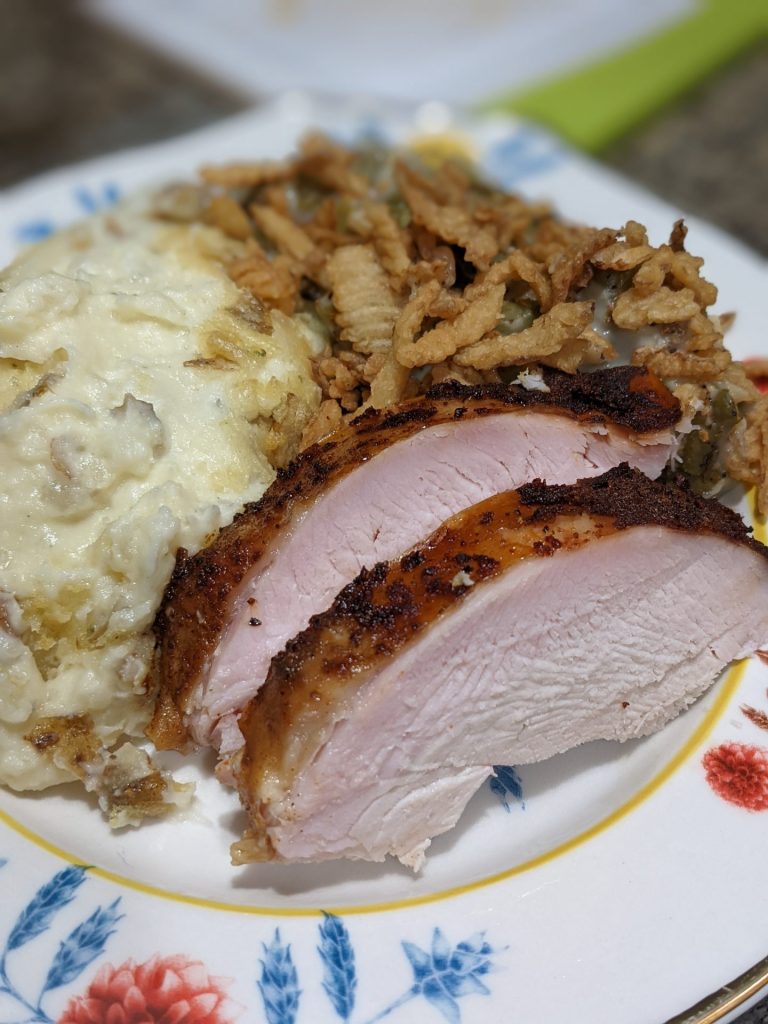
Is your smoker blowing thick white smoke? Learn how to fix dirty smoke, prevent bitter creosote flavor, and get clean thin blue smoke on any grill or smoker.
Few things ruin a great cookout faster than heavy, billowy white smoke pouring out of a firebox. You spend time picking out quality meat and preparing a clean rub, only to pull off a cook that tastes like bitter ash, metal, or raw chemicals.
If your smoker is blowing thick white or gray clouds, do not panic. Dirty smoke is one of the most common issues pitmasters face, and it is almost always caused by a quick airflow or fuel oversight.
In this guide, we will cover why dirty smoke happens, how to read your smoke color, and five simple fixes to get clean thin blue smoke every single time.
Quick Diagnostic: Reading Your Smoker Smoke Color
Before making adjustments to your firebox, look closely at the smoke leaving your exhaust chimney to pinpoint what your fire is doing.
| Smoke Color | What It Means | Impact on Food | Immediate Action |
| Thick White or Gray | Incomplete combustion from choked air or damp fuel | Bitter, acrid, or metallic taste | Open intake vents and use drier wood |
| Thin Blue or Clear | Clean, complete combustion | Smooth, sweet mahogany bark | Maintain current airflow and heat |
| Black Smoke | Active grease fire or burning heavy oil | Sooty, ruined exterior bark | Scrape drip tray and check firepot |
If your fire drops in heat while you try to adjust airflow, check out our guide on Why Is Your Smoker Not Getting Hot Enough? 7 Quick Fixes.
What Causes Dirty Smoke?
Dirty smoke is caused by incomplete combustion.
When wood burns, heat breaks down organic compounds into flammable gases. If your fire has plenty of oxygen and high heat, those gases burn completely and leave behind heat, water vapor, carbon dioxide, and a light trace of pleasant wood flavor.
When you choke off oxygen or overload cold fuel, those gases cannot ignite. Instead, they condense into heavy particulates called creosote. That creosote travels through your cook chamber and sticks directly to cold meat, leaving behind a dark soot and a harsh chemical taste.
Fix 1: Stop Choking Your Exhaust Vents (Master Airflow)
The single most common cause of dirty smoke is closing the exhaust damper to hold heat inside the smoker.
Why It Matters
Closing your exhaust chimney traps stagnant smoke inside the cook chamber. As smoke lingers without fresh air movement, it cools down and deposits thick creosote onto your food.
The Solution
- Keep your exhaust vent fully open at all times during a cook.
- Control your ambient cooker temperature strictly using your intake vents or fuel feed controls.
- Never choke exhaust airflow to lower cooker heat.
Fix 2: Pre-Heat Your Wood Chunks or Logs
Dropping cold wood directly onto hot coals instantly smothers combustion and creates heavy white smoke.
Why It Matters
When cold, unheated wood hits a live coal bed, the wood absorbs thermal energy to warm up before it can catch fire. During those few minutes, the wood smolders without a flame, releasing thick billowy smoke.
The Solution
- Place fresh wood logs or chunks on top of your firebox lid or near the warm side of your grill for ten minutes before adding them to the coals.
- Pre-heating wood ensures it ignites instantly when it hits live coals, skipping the cold smoldering phase entirely.
Fix 3: Check Wood Moisture Content
Using fresh cut or improperly stored wood introduces too much steam into your firebox.
Why It Matters
Wood that is too wet uses thermal energy evaporating internal water rather than burning fuel. That steam mixes with unburnt wood oils to form heavy white steam clouds that smell acrid.
The Solution
- Use seasoned hardwoods with a moisture content between 15 percent and 20 percent.
- Avoid fresh green wood or wood that has been left uncovered in the rain.
- Store your wood supply in a dry, elevated location with good cross ventilation.
Fix 4: Clean Old Ash and Creosote Out
Old ash buildup under your fire grate blocks oxygen from reaching burning fuel.
Why It Matters
Air must flow freely from beneath your coal bed to feed the flame. When ash builds up, intake air gets restricted before it ever reaches the coals, causing the fire to choke and smolder.
The Solution
- Clear out old ash from your firebox or burn pot before starting every cook.
- Periodically scrape flaky creosote off the inside of your smoke stack and chimney cap.
- Ensuring clear intake paths keeps oxygen flowing steadily into the core of your fire.
Fix 5: Feed Smaller Amounts of Fuel More Frequently
Dumping a massive pile of cold charcoal or pellets onto a small fire bed smothers the coals.
Why It Matters
Adding too much cold fuel at once drops the core temperature of your fire bed below the ignition threshold. The fire struggles to recover, sending thick gray clouds into your cooking chamber.
The Solution
- Add wood or charcoal in smaller, steady increments.
- Allow each piece of wood or bundle of charcoal to fully ignite before adding the next batch.
- Maintaining a hot coal bed ensures new fuel catches fire immediately.
Frequently Asked Questions
Does a pellet grill always produce thin blue smoke?
Pellet grills burn very cleanly because an automated fan pushes a constant stream of oxygen into the burn pot. Because of this high combustion efficiency, pellet grills naturally produce light, thin smoke that can look almost invisible during high temp cooks.
Is white smoke ever okay during a cook?
A quick burst of white smoke for two to three minutes when you first add new wood is completely normal while the wood catches fire. White smoke only becomes a problem when it lingers continuously for 15 minutes or longer.
How long should I let my smoker run before adding meat?
Allow your smoker to burn for 20 to 30 minutes after lighting until the heavy initial white smoke clears. Once you see light blue wisps or clear heat waves rising from the chimney, it is safe to put your meat inside.
What to Cook with Clean Thin Blue Smoke
Once you master clean fire management and thin blue smoke, you can tackle long cooks without worrying about bitter flavors. Put your clean fire to the test on classic cuts like brisket, pulled pork, ribs, jalepeno poppers and more!
If you run into an evaporative temperature plateau during a long cook, read our guide on How to Stall-Proof Your Brisket (And Push Through the Stall) to keep your cook moving on schedule.
Summary & Next Steps
Getting thin blue smoke comes down to managing heat and airflow:
- Keep exhaust vents wide open to prevent creosote buildup.
- Pre-heat wood chunks so they ignite immediately on hot coals.
- Clean ash out of your firebox before every cook to keep intake air moving freely.
Once your smoke clears to a faint blue haze, your smoker is in the sweet spot for clean flavor and great mahogany bark!