
How to Cut and Smoke a Whole Costco Pork Loin
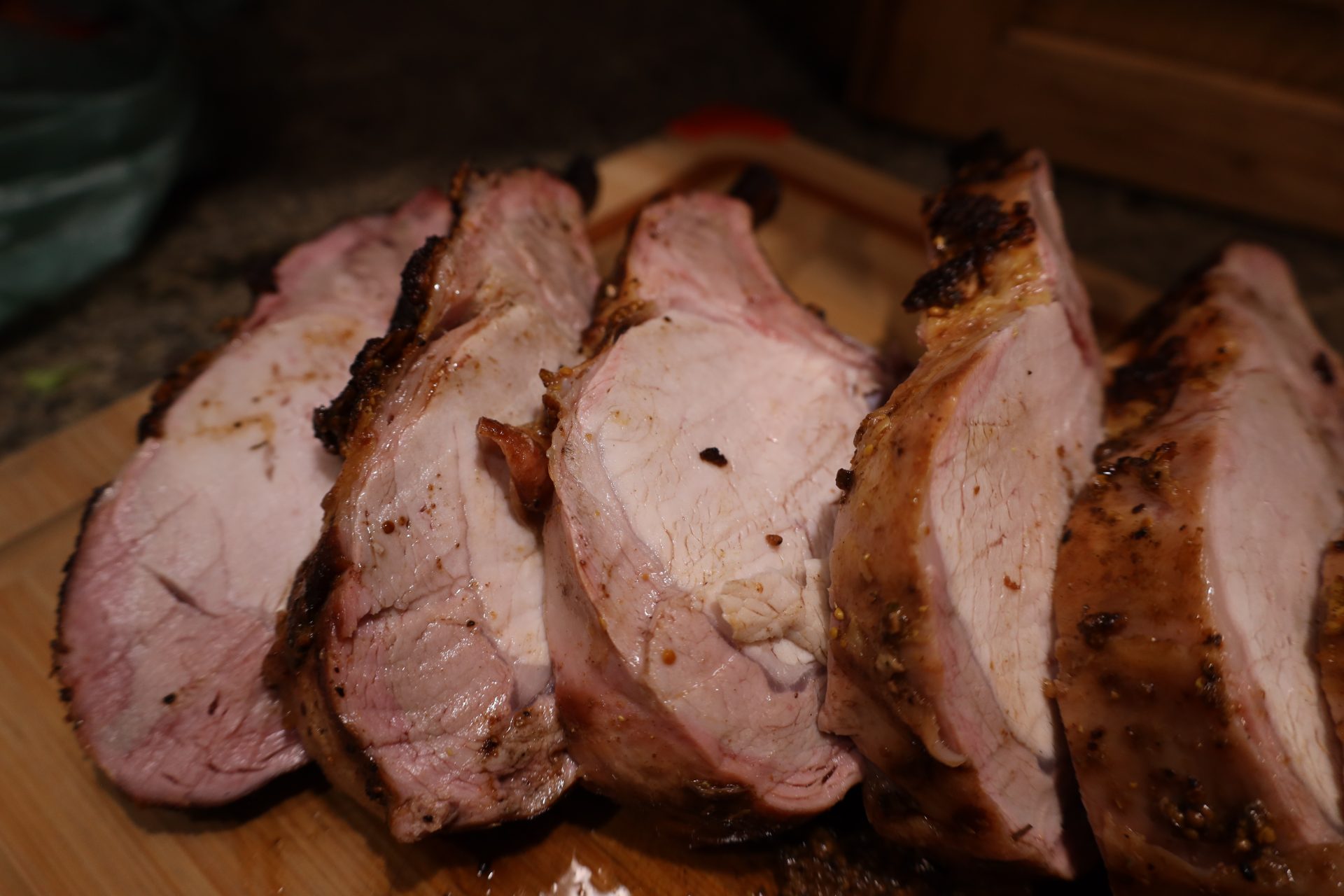
Beef prices have pushed brisket and ribeyes into special occasion territory, but that does not mean your smoker needs to sit cold. Head over to the meat department at Costco or your favorite warehouse club and look for the vacuum packed, whole boneless pork loins.
These massive cuts regularly sell for under two dollars and fifty cents a pound. A single eight to ten pound package gives you thick cut pork chops, lean dinner roasts, and stew meat at a fraction of the cost of beef.
Breaking down a whole loin takes less than ten minutes with a standard chef knife. Once portioned, knowing how to smoke lean pork without turning it leathery ensures you get tender, juicy meat every time.
The Economics: Costco Whole Pork Loin Breakdown
| Yield Category | Quantity | Average Weight/Thickness | Primary Cooking Method |
| Thick Cut Chops | 8 to 10 chops | 1.5 inches thick | Reverse sear or direct grill |
| Center Cut Roast | 1 roast | 3 to 4 pounds | Low and slow smoke to 145 degrees/reverse sear |
| Sirloin End Roast | 1 roast | 2.5 to 3 pounds | Pulled or cubed for stew |
| Lean Stew / Stir Fry Chunks | Small bag | 0.5 to 1 pound | High heat skillet |
Tools You Need Before Opening the Package
- A large cutting board with a juice groove
- A sharp chef knife, boning knife, or slicing knife
- Paper towels
- Freezer safe gallon storage bags or a vacuum sealer
Step 1: Unpack, Rinse, and Pat Dry
Take the whole loin out of the plastic over the sink. The meat has been resting in natural purge juices, so give the entire cut a light rinse under cold water.
Transfer the loin onto your cutting board and pat every surface completely dry using paper towels. A dry surface gives you traction on the fat cap so your knife never slips during trimming.
Step 2: Identify the Three Sections of the Loin
Before making your first slice, take a look at the meat. A whole pork loin consists of three distinct zones:
- The Blade End (Rib End): Darker meat with more intramuscular fat. This section is flavorful, tender, and stays moist easily.
- The Center Section: The leanest, most uniform portion of the muscle. This is the prime area for cutting uniform boneless pork chops.
- The Sirloin End: The opposite end from the blade. It features lighter color variations and slightly more connective tissue, making it an ideal candidate for a tied roast or stew meat.
Step 3: Trim the Fat Cap and Silver Skin
Inspect the fat running along the top of the loin.
- Trim to one quarter inch: A moderate fat cap protects the lean meat during smoking, but excess fat prevents your seasoning from adhering. Shave off thick, uneven lumps of fat so the thickness is uniform across the entire log.
- Remove the silver skin: Flip the loin over. Look for thin, shiny, silvery connective tissue running along the meat. Slide the tip of your boning knife under the silver skin, angle the blade slightly upward away from the meat, and slice it off. Silver skin never renders down and causes the meat to curl as it cooks.
Step 4: Slicing into Chops and Roasts
- Cut the Blade End Roast: Measure roughly three to four inches in from the dark blade end. Make one smooth, downward slice through the meat. Set this section aside as your first whole roast.
- Cut Your Chops: Move to the uniform center section. Cut your chops thick, aiming for one and a quarter to one and a half inches per chop. Grocery stores often sell thin half inch chops that dry out on the grill in minutes. Cutting them thick allows you to build a smoky crust while keeping the center tender and juicy. You should easily yield eight to ten generous chops from this center zone.
- Cut the Sirloin End Roast: You are left with the tapered end. Trim off any loose, ragged flaps of meat and save them for stir fry or chili. Keep the remaining two to three pound section whole for a second roast.
Step 5: How to Smoke the Whole Pork Roast
Lean pork loin requires a different approach than high fat cuts like pork shoulder or pork belly. Because there is very little intramuscular fat, overcooking will ruin the texture.
- Apply the Binder and Rub: Rub the exterior of your roast with a thin coat of yellow mustard or olive oil. Season liberally with coarse kosher salt, coarse black pepper, garlic powder, and paprika. Sweet rubs work exceptionally well with pork, but avoid rubs with excessive white sugar if you plan to smoke above two hundred and fifty degrees.
- Set the Smoker: Fire up your smoker to two hundred and twenty five degrees. Mild woods like pecan, apple, and cherry complement pork without overpowering the delicate meat.
- Place Meat Fat Side Up: Set the roast directly on the smoker grates with the fat cap facing up. As the fat slowly renders, it bastes the meat underneath.
- Monitor the Core Temperature: Insert a digital meat probe into the center of the roast. Smoke until the internal temperature reaches one hundred and forty degrees.
- The Carryover Rest: Remove the roast from the smoker, place it on a warm platter, and tent loosely with foil for ten to fifteen minutes. The internal temperature will rise during the rest to hit the ideal target of one hundred and forty five degrees. Modern pork cooked to medium displays a slight blush of pink in the center, delivering optimal tenderness and moisture.
Step 6: How to Cook the Thick Cut Chops (Reverse Sear)
For the individual chops you cut, use the reverse sear method:
- Smoke the chops at two hundred and twenty five degrees until the internal temperature reaches one hundred and thirty degrees (roughly thirty to forty minutes).
- Remove the chops and crank your grill or cast iron pan to high heat.
- Sear each side for sixty to ninety seconds until you achieve a deep brown crust and the internal temperature hits one hundred and forty to one hundred and forty five degrees.
- Rest for five minutes before serving.
Freezing Your Haul for Future Cooks
To prevent freezer burn, wrap each individual chop or roast tightly in plastic wrap before sealing inside heavy duty freezer bags. If you own a vacuum sealer, use it here. Portioned properly, your Costco pork haul remains fresh in the freezer for up to nine months, ready for your next low cost weekend smoke.